Cart
0
Introduction
Athletes around the world need clothing that supports both their performance and their personal style. Whether you’re hitting the gym, running on the track, or stepping onto the field, the right athletic wear is essential for comfort, flexibility, and confidence. But over the years, athletic clothing has evolved into more than just functional gear—it’s become a statement. With modern advancements in fabric technology and a growing focus on aesthetics, athletes can now enjoy a combination of performance and fashion in their everyday wear.
The Importance of Performance in Athletic Clothing
Before diving into the fashion side, it’s important to understand why performance should be at the heart of any athlete’s wardrobe. Athletic wear is designed to help you perform your best during exercise, whether you're lifting weights, practicing yoga, or running a marathon. The primary goal of performance clothing is to enhance movement, regulate body temperature, and reduce the risk of injury.

Fashion Meets Function: Athleisure Takes Over
While performance is critical, fashion has become just as important in today’s athletic wear landscape. The rise of athleisure—clothing that’s designed for both athletic performance and everyday wear—has been a game-changer. Clothing for athlete has no longer have to sacrifice style for comfort or function.
Technology in Sports Clothing: The Role of Innovation
One of the most exciting aspects of modern athletic wear is the continuous innovation in fabric technology. Clothing brands are constantly developing new materials and features to improve performance and comfort. For example, moisture-wicking fabrics pull sweat away from the body, keeping the skin dry and reducing the risk of chafing. Some fabrics are also treated with anti-odor technology, helping you stay fresh even after a long workout. Advanced fabrics are also used to regulate body temperature. For instance, some sports clothing is designed to cool your body down when you get hot, or warm you up when you’re cold, ensuring optimal comfort in various conditions. This means athletes can perform better, no matter the weather.
Fit and Comfort: How Athletic Clothing Enhances Performance
-
Fit is one of the most important factors when choosing athletic clothing. When clothes fit properly, they support the body’s natural movements and allow for maximum performance. Tight-fitting clothes, for example, reduce friction and prevent chafing, while loose-fitting stylish hoodies for men can get in the way during fast movements or intense exercise.
-
Compression gear is another popular trend in athletic wear. These garments fit tightly around the muscles, providing support and reducing muscle fatigue. Compression garments also enhance blood circulation, which can help with recovery post-workout.
-
Comfort is also a key consideration when choosing athletic clothing. Athletes spend hours at a time training, so wearing clothes that are too tight, too loose, or made from uncomfortable fabrics can be distracting and hinder performance. That's why it’s important to choose athletic wear that feels comfortable and allows you to focus on the task at hand.
Sustainability in Athletic Wear: A Growing Trend
As awareness of environmental issues grows, many athletic wear brands have taken steps toward sustainability. This includes using recycled materials, reducing waste, and creating clothes that are built to last. Not only does this help the planet, but it also ensures that athletes are investing in high-quality clothing that won’t wear out after just a few months of use. Sustainable brands also focus on ethical manufacturing processes, ensuring that workers are paid fairly and work in safe conditions. So, when you choose sustainable athletic wear, you’re not only supporting your performance but also contributing to a more ethical and environmentally friendly industry.
Choosing the Right Clothing for Your Sport
The type of athletic clothing you need largely depends on the sport or activity you engage in. Here’s a breakdown of what to look for depending on your sport of choice:
-
Running: Look for lightweight, breathable fabrics that wick away sweat and allow for maximum mobility. Running shoes with proper cushioning and support are essential to avoid injury.
-
Yoga/Pilates: Choose flexible, breathable clothing that won’t restrict your movements. High-waisted leggings and a well-fitted sports bra are key pieces for comfort.
-
Weightlifting: Opt for compression wear that supports muscles, along with durable, stretchy fabrics that allow for a full range of motion. Shoes with good grip and ankle support are also important for safety.
-
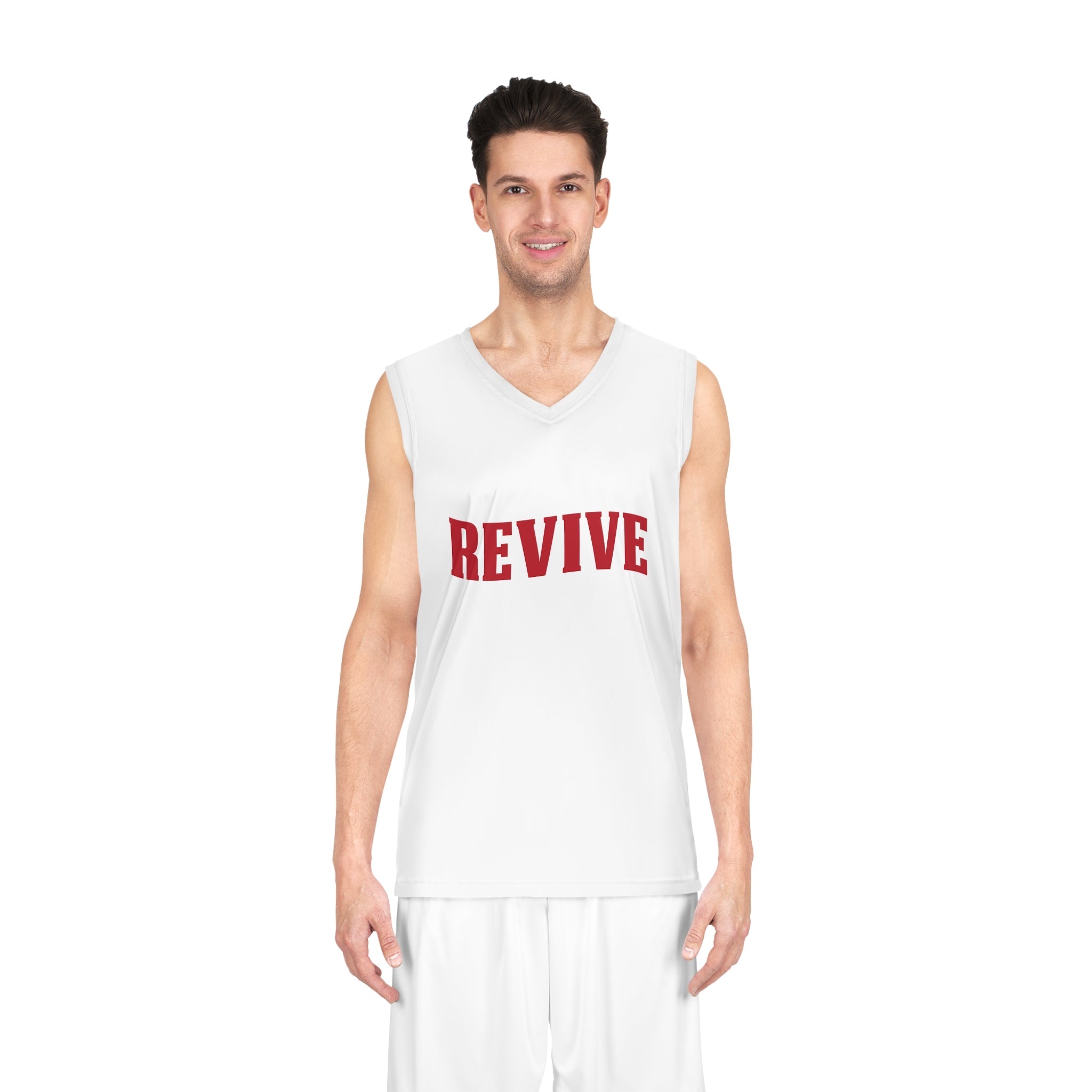
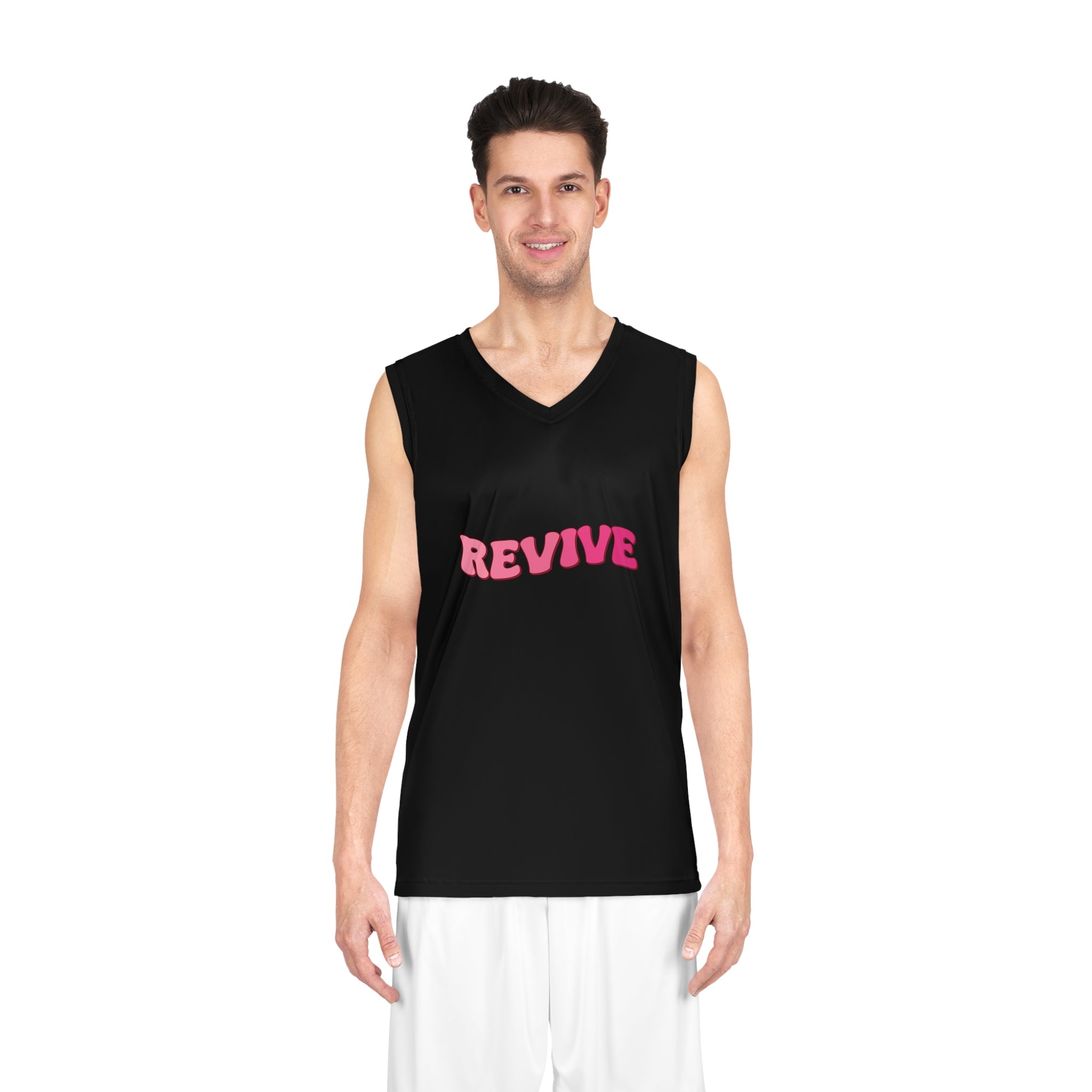
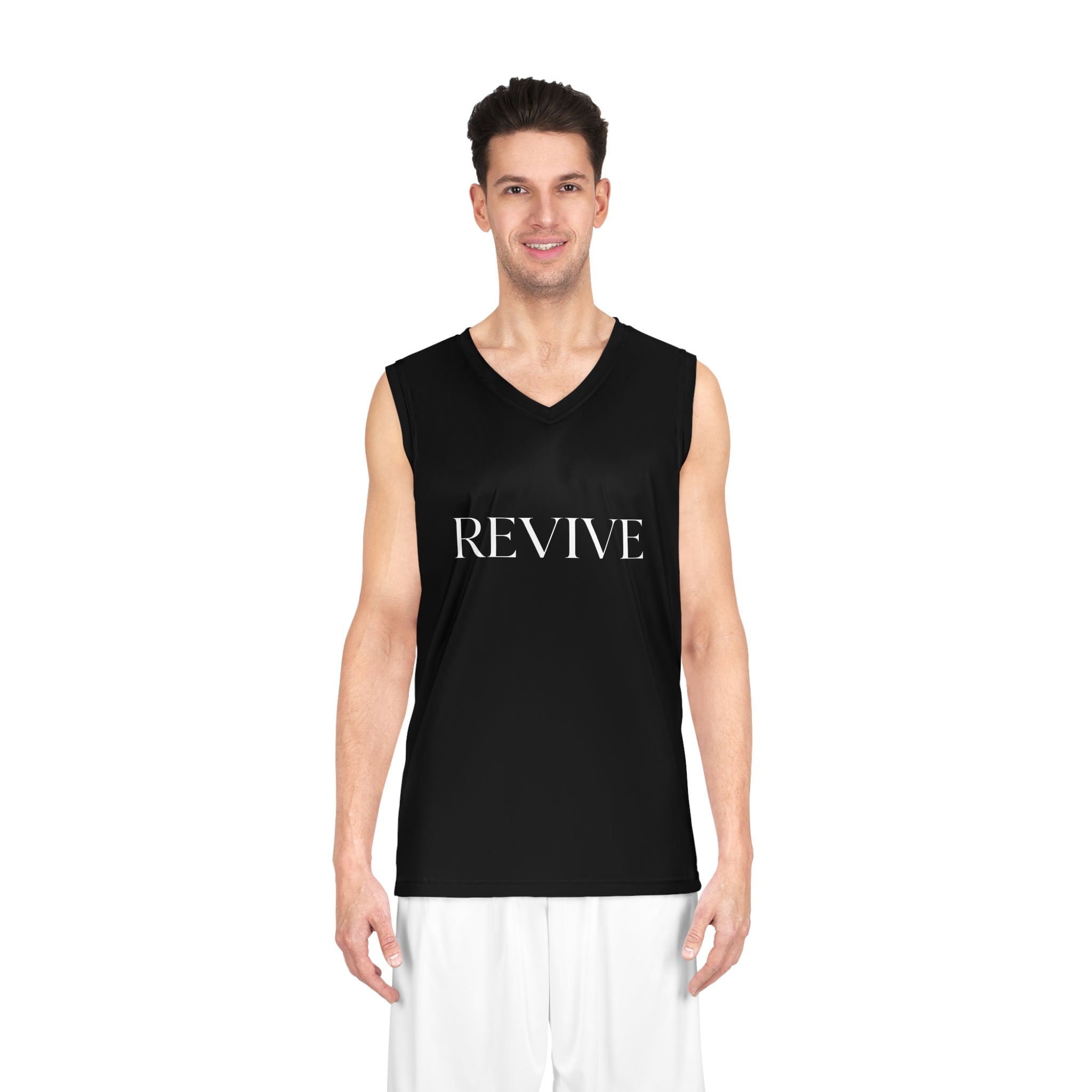
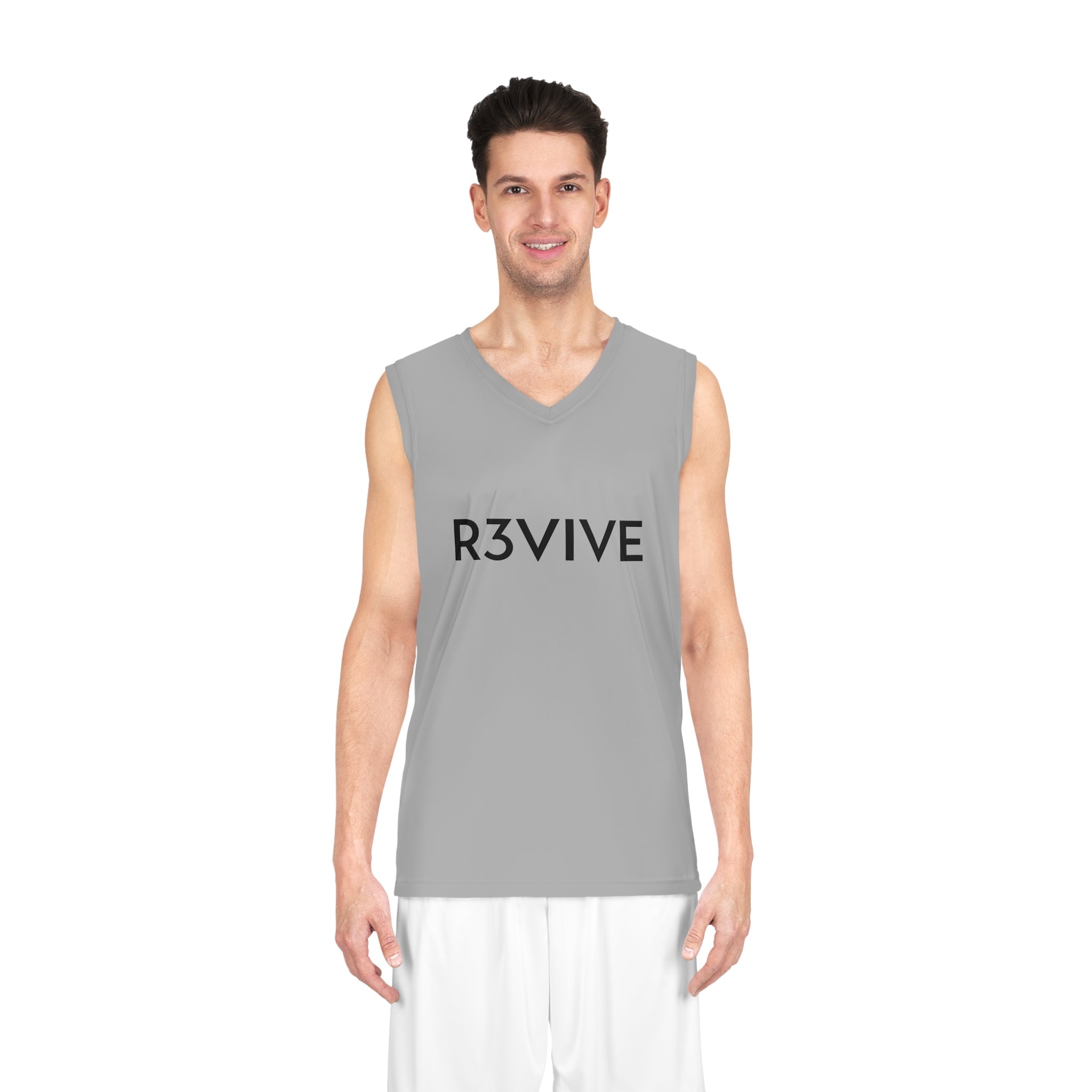
Team Sports (Football, Basketball, etc.): Go for clothing designed for movement and protection. Moisture-wicking jerseys, supportive shorts, and cleats or sneakers that provide ankle stability are important choices.

The Future of Athletic Clothing
The future of athletic wear is bright, with ongoing advancements in fabric technology, design, and sustainability. We can expect more customization options, improved smart fabrics that track performance, and even better environmental practices. Athletes will continue to benefit from clothing that not only supports their physical performance but also allows them to express their personal style.
For more information visit our Pinterest Account.
FAQs
1. What makes athletic wear different from regular clothes?
Athletic wear is specifically designed to support movement, regulate body temperature, and enhance performance, unlike regular clothes, which are often made for style rather than function.
2. What are the best fabrics for athletic clothing?
Look for moisture-wicking materials like polyester, spandex, and nylon. These fabrics help keep you dry, cool, and comfortable during physical activity.
3. How should athletic wear fit?
Athletic clothing should fit snugly but comfortably, allowing for a full range of motion without being too tight. Compression gear is ideal for muscle support.
4. Can athletic wear be worn casually?
Yes! With the rise of athleisure, many athletic wear brands design clothes that are stylish and functional enough to wear both during workouts and in everyday settings.
5. What are the benefits of compression clothing?
Compression clothing helps support muscles, reduces fatigue, enhances circulation, and speeds up recovery after exercise. It also helps reduce the risk of injury.